
 English
 العربية

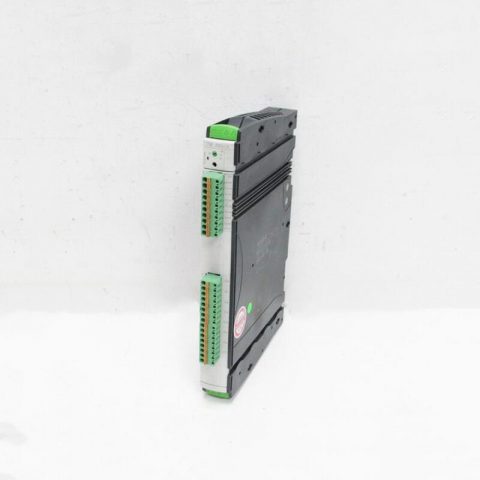
ATLAS PF3009-G-HW
1. Overview
The ATLAS PF3009-G-HW is a controller belonging to the Tensor S9 series, manufactured by ATLAS COPCO. As a panel-type controller, it is specifically designed for use with high-torque electric tools (Nutrunners), enabling precise digital control and recording of every tightening operation. It integrates seamlessly into industrial workflows, providing reliable performance for critical assembly processes.
___________________________________________________________________________________________________________________________
2. Core Specifications
- Voltage Requirement: 180V – 240V AC, compatible with power specifications in different regions worldwide.
- Power: 300W (specific power depends on the supporting tool and operating mode).
- Weight: Approximately 12-16 kg (varies by specific configuration).
- Interface Type: Supports Industrial Ethernet, RS232 serial port, and I/O signal expansion interfaces. Some models are compatible with PROFIBUS, DeviceNet, or PROFINET expansion.
- Compatible Tools: Works with ATLAS COPCO’s Tensor ST, ETX, STR, EBL, and other series of electric tools.
___________________________________________________________________________________________________________________________
3. Product Features
- Multi-Mode Control: Supports torque control, angle control, composite control (torque + angle), and multi-stage control, meeting the requirements of different tightening processes.
- Modular Design: Adopts a pluggable module design (such as RBU modules), facilitating tool parameter setting, maintenance, and replacement.
- Graphical Interface: Equipped with an intuitive graphical operation interface, supporting user-defined programming and multi-process step switching.
- Fault Diagnosis: Built-in fault identification function (e.g., thread slipping, missing tightening, over-torque), and supports storage and export of tightening curves for quality analysis.
- Software Compatibility: Compatible with ATLAS COPCO’s ToolsTalk process programming software and can be integrated with MES/PLC systems for centralized workflow management.

___________________________________________________________________________________________________________________________
4. Structure and Composition
- Host Unit: The core control unit, including a processor, memory, and communication interfaces, ensuring stable and efficient data processing.
- Display Panel: An operation and display panel that allows users to set parameters and monitor the controller’s status in real time.
- Pluggable Module (RBU): Used for tool parameter configuration, enabling quick parameter loading when replacing tools between different workstations.
___________________________________________________________________________________________________________________________
5. Application Fields
- Pipeline Engineering: Installation and maintenance of natural gas and petroleum pipelines.
- Aerospace: Tightening of aircraft fuselage and engine components.
- Shipbuilding Industry: Assembly of hull structural parts.
- Railway Engineering: Tightening of track and vehicle body components.
- Energy Facilities: Construction of key infrastructure such as nuclear power plants and wind farms.
___________________________________________________________________________________________________________________________
6. Installation and Maintenance
6.1 Installation Method
Typically installed in standard industrial control cabinets or embedded in specific positions of automated production lines. During installation, ensure that the power wiring complies with the 180V-240V AC standard, and connect to the upper computer system via Ethernet or RS232 interface. Proper installation ensures stable operation and long service life.
6.2 Daily Maintenance
- Firmware Upgrade: It is recommended to regularly check and upgrade the controller firmware to obtain the latest functions and performance optimizations.
- Cleaning and Maintenance: Keep the air vents clean to prevent dust from affecting heat dissipation and internal component performance.
- Data Management: Regularly export tightening data and curves for quality traceability and analysis, facilitating process improvement.
- Fault Handling: The controller’s built-in self-diagnosis function can quickly locate problems such as thread slipping and missing tightening. Maintenance personnel can view detailed error codes and logs through the graphical interface for efficient troubleshooting.
————————————————————————————————-
Main brand
ABB Allen-Bradley Alstom Bently Emerson Foxboro
GE MOOG Schneider Woodward HIMA Honeywel Triconex & more
Contact our professional team today for customized solutions to meet your electrical component needs.
📧 x13806028623@gmail.com / johnedward.zch@gmail.com
📞 +86 18250705533(Whatsapp)丨Sales Manager : Jinny/John

-480x480.jpg)
-480x480.jpg)

There are no reviews yet.