
 English
 العربية
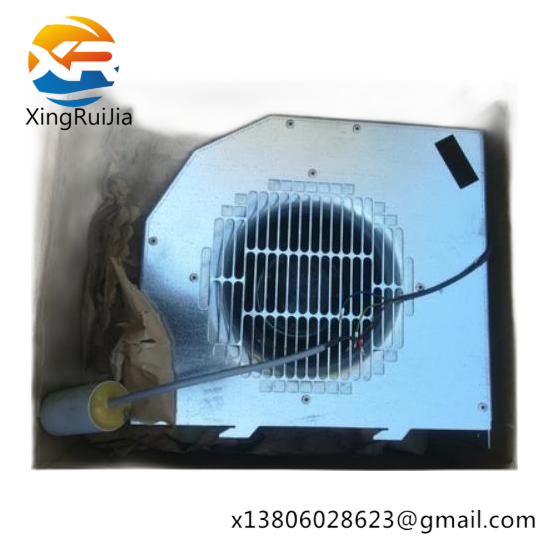
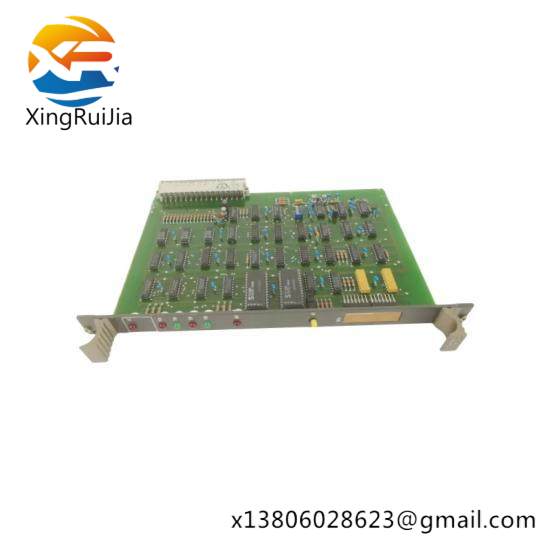
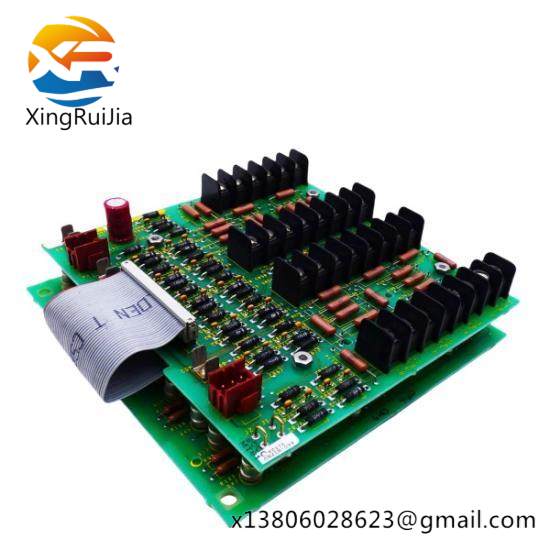
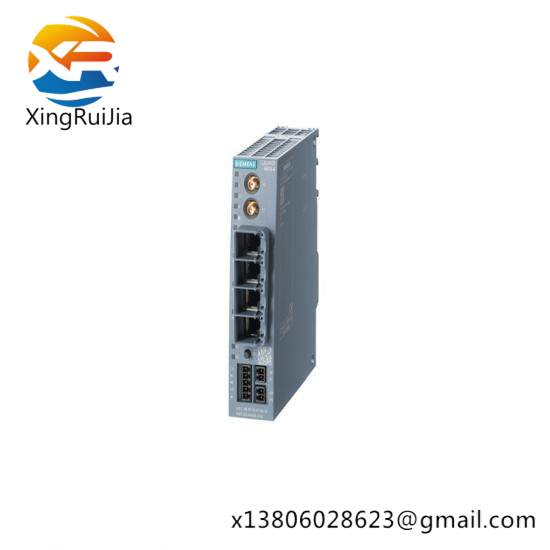

ABB INNPM11
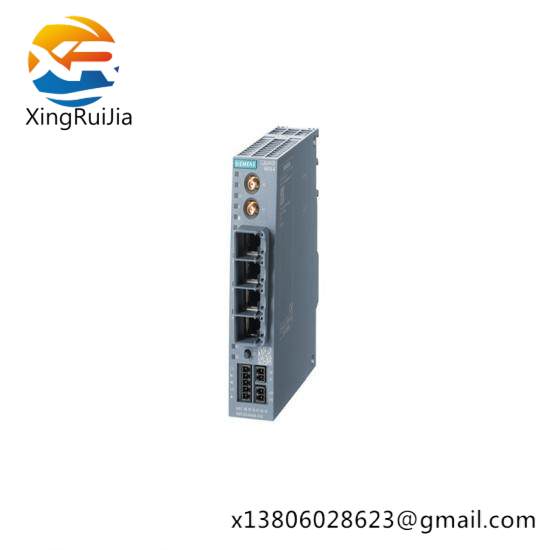
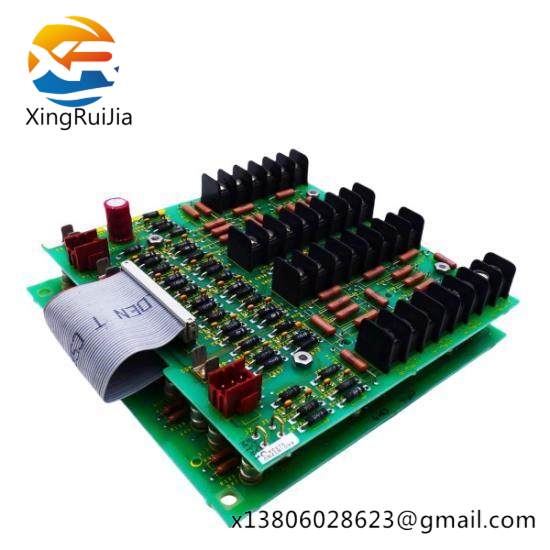
Module Type:Network Processor
Brand:ABB
Model:INNPM11
Designation:Bailey
Dimensions (WxHxD):3.5 cm x 31.3 cm x 17.6 cm
Weight:0.24 kg
Power Requirement:+5 VDC at 825 mA; 4.1 W
Communication Rates:10 Mbaud, 2 Mbaud, or 0.5 Mbaud
Operating Temperature Range:-20°C to +55°C
Product Details
Experience unparalleled performance with the ABB INNPM11 Bailey Network Processor Module, engineered to elevate the capabilities of your industrial control systems. This state-of-the-art module is equipped with a high-speed 4 GHz processor, ensuring swift execution of complex tasks without compromising on efficiency.
Engineered for extreme conditions, the ABB INNPM11 can operate within a temperature range of -40°C to 85°C, making it ideal for harsh industrial environments. Its durable construction withstands rigorous demands, ensuring longevity and minimal maintenance requirements.
Memory capacity of 8 GB DDR4 allows for extensive data storage and processing, facilitating the management of large datasets and complex algorithms without any lag. Whether you’re managing intricate production processes or optimizing operations across multiple sites, this module provides the computational power needed to drive your success.
Equipped with a Gigabit Ethernet interface, the ABB INNPM11 seamlessly connects to your network infrastructure, enabling fast and reliable communication. This feature ensures that your system remains responsive and integrated with other components, optimizing workflow and reducing downtime.
Designed with energy efficiency in mind, the ABB INNPM11 consumes just 15W under full load. This not only reduces operational costs but also contributes to a more sustainable manufacturing environment, aligning with the modern focus on eco-friendly practices.

Main Brand:
ABB Allen-Bradley Alstom Bently GE MOOG Schneider Woodward HIMA Honeywell Emerson Foxboro
Annual hot selling advantage products:
ABB PM856AK01 ABB PM866 ABB UAC317AE
ABB UAC318AE ABB KUC720AE01 ABB 3BHB003431R0101
First hand source, affordable price. Spot inventory!
•Shipping Port: Xiamen
•Ship to you via Fedex/DHL/TNT/UPS/EMS
•Package: Original packing with cartons
Our Main Brands
DCS/PLC/TSI Manufacturers:
ABB, GE, Allen Bradley, Honeywell, Emerson, Bently Nevada, Prosoft, Siemens, Westinghouse, Triconex, Foxboro, ICS Triplex, Hima, Schneider, Yokogawa, Woodward, B&R, KEBA, etc.
Product Categories & Models
1. Distributed Control System (DCS)
- ABB:3AUA0000110429, SYSCON2 746924
- Invensys Foxboro:FBM214, FBM242, B0123HE
- Invensys Triconex:3625, 3700A, 3604E
- Woodward:5462-758B
- HIMA:F2-DO-16-02, F8650E
- Yokogawa:SAI143-S03 S1, F9342L-02
- Honeywell:51402497-200, 51403519-160, 51199194-100, CC-PDO801
- Emerson:KJ4001X1-NB1, 12P3368X012
2. Programmable Logic Controller (PLC)
- Rockwell/Allen Bradley:1734-IB8, 1734-OB8, 1769-L18ER-BB1B, 1756-IM16I
- ICS Triplex:T8461, T8850, T8403, T8431, T8831, T8310
- Schneider Modicon:140DDI85300
- GE Fanuc:IS210AEPSG2B, IS220UCSAH1A, IS215ACLEH1A, IS210AEAAH1B
- Siemens:6ES7331-1KF02-0AB0
- Prosoft:MVI46-DFNT
- Bachmann:MPC240
- Woodhead:9905-068 2301A
3. Turbine Supervisory Instrumentation (TSI)
- Bently Nevada:3500/22M, 138607-01, 3500/25, 3500/53, 3500/32M 149986-02
- EPRO:MMS6110, MMS6120, MMS6220, MMS6312, MMS6410, 6423, 6424
- ENTEK:EK C6622HS, XM124, 1440-SDM02-01RA
What is a DCS?
A Distributed Control System (DCS) is a sophisticated, computer-based control system designed to automate, monitor, and manage complex industrial processes. It is widely used in large-scale industrial facilities such as refineries, power plants, chemical plants, and paper mills, where precision, reliability, and scalability are critical.
How Does a DCS Work?
A DCS is composed of several interconnected components that work seamlessly to ensure efficient process control. Here’s a breakdown of its key elements:
- Controllers:
These are the “brains” of the system. Controllers receive data from sensors, process it using pre-programmed logic, and send output signals to actuators to maintain optimal process conditions. - Sensors:
Sensors act as the “eyes and ears” of the system, measuring critical physical parameters such as temperature, pressure, flow rate, and level. This real-time data is essential for accurate control. - Actuators:
Actuators are the “muscles” of the system. They execute physical actions based on controller commands, such as opening/closing valves, starting/stopping motors, or adjusting dampers. - Operator Stations:
These serve as the human-machine interface (HMI), allowing operators to monitor the process, adjust setpoints, and troubleshoot issues. Modern DCS systems often feature intuitive graphical interfaces for ease of use. - Communication Network:
The backbone of the DCS, this network connects all components, enabling seamless data exchange and coordination. It ensures that every part of the system works in harmony, even across large industrial sites.
Why is a DCS Important?
- Centralized Control with Distributed Execution: A DCS allows for centralized monitoring while distributing control functions across multiple controllers, reducing the risk of system-wide failures.
- Scalability: It can easily expand to accommodate growing operational needs.
- Reliability: Redundant systems and fail-safes ensure continuous operation, even in critical environments.
- Efficiency: Optimizes processes, reduces waste, and improves overall productivity.




There are no reviews yet.